Hitting Delete on Your Favorite Game Feels Awful — Here's Why Teens Are Doing It Anyway
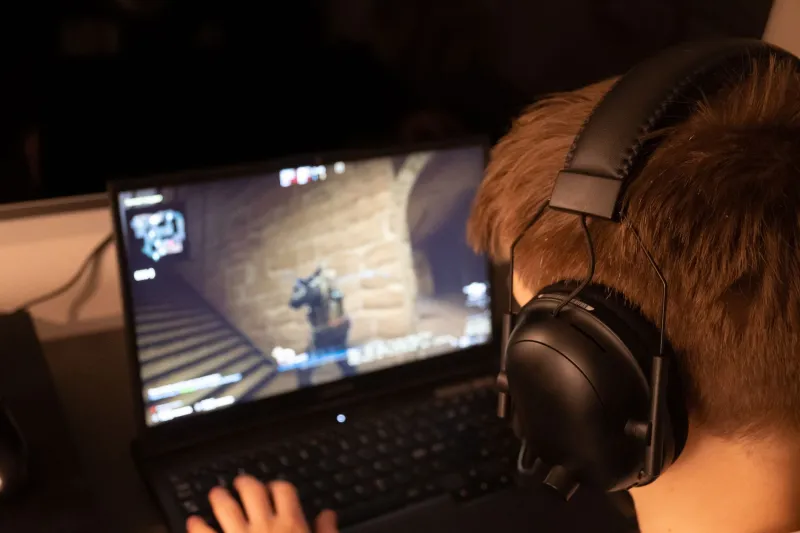
You hover over the uninstall button. Your cursor trembles — okay, maybe that's dramatic, but your finger definitely hesitates. This is the game. The one with 400 hours logged, the one where your username is basically a local legend, the one you swore you'd never quit. And then you click delete anyway.
Welcome to what might be the most emotionally complicated thing happening in teen gaming right now: the intentional, eyes-open decision to ditch the games you love most. It's not rage-quitting. It's not a storage emergency (well, sometimes it's a storage emergency). It's something deeper, and it's happening to teens all across the US in numbers that are honestly kind of wild.
The 400-Hour Goodbye
Let's be real — uninstalling a game you've been grinding for months hits different than just deleting a random app. There's a reason it stings. You're not just removing software. You're closing a chapter on a version of yourself: the one who stayed up until 3 AM chasing a ranked climb, who spent an entire Saturday perfecting a build, who made actual friends in a digital lobby.
Jordan, 17, from Ohio, described deleting Fortnite after three years of near-daily play as "genuinely weird, like cleaning out a locker at the end of the school year." He didn't quit because he hated it. He quit because he realized he was logging in out of habit rather than enjoyment. "I'd open it, play for like 20 minutes, feel nothing, and close it. I was basically just doing chores in a video game."
That feeling — grinding without joy — is one of the most commonly cited reasons teens are walking away from long-term favorites. And it turns out there's a name for it.
The Completionist Trap (And How It Became Exhausting)
For years, gaming culture has quietly celebrated the completionist mindset: 100% the achievements, hit max rank, unlock every skin, finish every quest line. Platforms like Steam literally give you badges for it. And for a while, that was motivating. Chasing completion gave games structure and purpose.
But something shifted. As live-service games started adding seasonal content, battle passes, daily login bonuses, and limited-time events, "completion" stopped being a finish line and became a treadmill. There's always another season. Always another event you'll miss if you log off for a week. Always another reason to feel behind.
Mia, 16, from Texas, put it bluntly: "Apex became homework. I wasn't playing because it was fun. I was playing because I'd already paid for the battle pass and needed to finish it before the season ended. That's not gaming, that's a deadline."
The psychological weight of FOMO-driven design is real, and more teens are naming it out loud. Deleting the game isn't admitting defeat — it's opting out of a system that was quietly stressing them out.
Storage Wars: The Practical Excuse That Isn't Always an Excuse
Okay, sometimes the reason really is 150 gigabytes of Call of Duty refusing to coexist peacefully with everything else on your console. Let's not pretend storage limits aren't a genuine factor in the great uninstall wave.
Modern games are enormous. A single major title can eat through more space than most teens' entire libraries from five years ago. When your PS5 or gaming PC starts throwing low-storage warnings, something has to go — and often, that forces a moment of honest reflection: do I actually still play this?
For a lot of teens, that forced audit turns into a bigger conversation about which games are worth the real estate. And that's where intentional gaming starts to take shape.
The Mental Health Angle Nobody's Ignoring Anymore
Here's the part that would have sounded unusual five years ago but now feels completely normal: teens are deleting games specifically for their mental health, and they're not embarrassed to say so.
Awareness around screen time, dopamine loops, and anxiety-triggering game design has genuinely filtered into teen culture. Whether it came from a YouTube video, a TikTok therapist, a school counselor, or just a brutally honest conversation with a friend, more teens are connecting the dots between certain games and certain moods.
Competitive multiplayer games in particular are taking the hit. The rage, the toxic lobbies, the ranked anxiety — it's a lot. And when teens start tracking how they feel after gaming sessions versus during them, some uncomfortable patterns emerge.
Derek, 15, from California, deleted Valorant after noticing he was consistently in a worse mood after playing than before. "I'd lose a match and be irritated for like an hour. I started asking myself why I was choosing to do that to myself every day. Didn't have a great answer."
Deleting the game wasn't a crisis moment. It was a quiet, self-aware decision that more teens are making — and talking about openly.
So What Are They Playing Instead?
Here's the fun part. The teens walking away from high-stress, live-service, completionist-bait games aren't quitting gaming. They're redirecting.
The genres seeing the biggest glow-up from the uninstall wave? Single-player narrative games, cozy sims, and indie titles with clear endings. Games like Stardew Valley, Hollow Knight, Unpacking, Hades, and Celeste keep coming up in these conversations — titles where you play at your own pace, there's no battle pass breathing down your neck, and you can actually finish the thing.
"I switched from Warzone to Stardew and my sleep schedule fixed itself," Mia said, which honestly sounds like the plot of a wellness ad but is apparently just real life now.
There's also a growing appreciation for games with defined endings. The ability to complete something, close it, and feel genuinely satisfied — rather than chasing an ever-moving goalpost — is becoming a selling point rather than a limitation.
The New Gaming Mindset: Playing With Intention
What's emerging from all of this isn't anti-gaming sentiment. It's something more interesting: a generation of players developing actual opinions about how they want to spend their game time, and being willing to act on those opinions even when it means deleting something they once loved.
The shift from "I should play this because I've invested so much time" to "I'll play this because it actually makes me feel good" is genuinely significant. Sunk cost fallacy, meet your match.
If your gaming library is starting to feel more like a to-do list than a playground, maybe it's time to do your own audit. What's on there because you genuinely love it? What's on there because you feel obligated? Which games make you feel energized afterward, and which ones leave you kind of hollow?
The delete button isn't the enemy. Sometimes it's the most powerful move in your entire gaming session.