Soft Games, Big Brains: The Cozy Gaming Trend That's Accidentally Turning Teens Into Better Students
Let's set the scene. It's a Sunday afternoon. Instead of grinding ranked matches with your heart rate spiking like a broken EKG, you're wandering through a tiny pixelated mountain in A Short Hike, listening to ambient chirps and gentle guitar plucks, completely unbothered by the concept of losing. No opponents. No kill streaks. No one screaming in your headset about your positioning.
And somehow? You feel incredible.
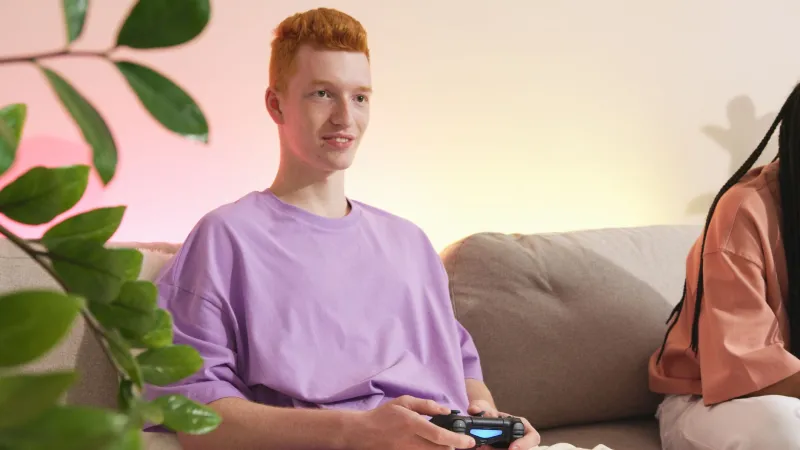
This is the cozy gaming renaissance — and it's not a phase. It's a full-on generational shift that's quietly rewriting what teens expect from their screen time, their mental health, and weirdly enough, their homework sessions.
What Even Is Cozy Gaming?
Cozy gaming doesn't have a single definition, but you know it when you feel it. It's the genre (or really, the vibe) that prioritizes atmosphere over aggression, exploration over elimination, and aesthetic satisfaction over competitive dominance. Think Unpacking, where you literally just unpack boxes and silently learn someone's life story. Think Stardew Valley at 11 PM with headphones in. Think Spiritfarer, which made half the internet cry happy tears about a boat full of ghost animals.
These games are intentionally designed to lower your cortisol levels rather than spike your adrenaline. The color palettes are warm. The soundscapes are layered and deliberate. The stakes are, by design, basically nonexistent — and that's the whole point.
The Neuroscience Behind the Chill
Here's where it gets genuinely interesting, and no, this isn't a lecture — stick with us.
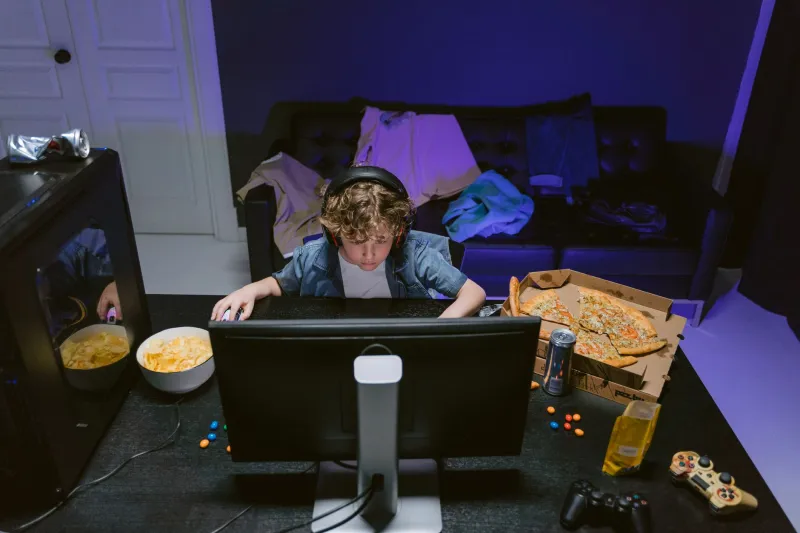
When you play high-intensity competitive games, your brain's threat-response system lights up. That's the amygdala doing its thing, flooding your system with cortisol and adrenaline. Great for a short burst of excitement, but terrible if you're trying to transition into homework mode afterward. You've basically just convinced your nervous system you survived a battle, and now it wants to keep scanning for danger.
Cozy games do the opposite. The slow pacing, the repetitive but satisfying tasks (fishing! organizing! planting!), and the ambient audio trigger what researchers call the "default mode network" — the part of your brain that's active during rest, reflection, and creative thinking. It's the same mental state that makes you suddenly solve a math problem in the shower.
In other words, playing Unpacking for 30 minutes before studying isn't procrastinating. It might actually be priming your brain for focus. Science said it, not us.
The Lo-Fi Aesthetic Creator Economy Is Very Real
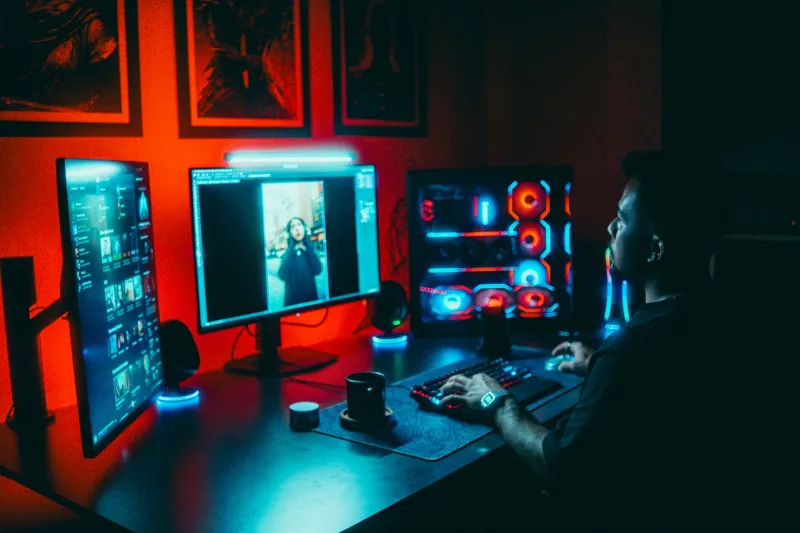
Cozy gaming didn't just stay in the games themselves — it exploded into an entire content ecosystem. Go on TikTok or YouTube and search "cozy gaming setup" and prepare to lose an hour of your life to the most calming content you've ever seen. Soft LED lighting. Aesthetic bookshelves in the background. A mug of something warm. A lo-fi playlist running underneath gameplay footage of Animal Crossing or Littlewood.
Teen creators are building entire channels around this aesthetic, and they're pulling serious engagement. Why? Because the audience isn't just looking for game tips — they're looking for a feeling. They want to feel like it's okay to slow down. Like not every second of entertainment needs to be optimized for maximum stimulation.
This is a content category that didn't really exist five years ago, and now it's one of the fastest-growing niches in teen gaming media. Brands are noticing too — cozy game developers are landing partnerships with journaling apps, herbal tea companies, and lo-fi music labels. The aesthetic has a whole economy now.
This Is a Rebellion, Actually
Here's the take that nobody's really saying out loud: cozy gaming is a direct rejection of hustle culture, and teens are leading the charge.
For years, the dominant narrative around gaming — and honestly, around being a teenager in America — has been about optimization. Get better. Rank up. Grind harder. Even entertainment was supposed to be productive. Your gaming hobby should be streaming content. Your streaming content should be monetized. Your free time should be building toward something.
Cozy gaming says: what if it didn't, though?
Choosing to spend an evening in A Short Hike — a game you can finish in under two hours with zero replay pressure — is a quiet act of defiance against the idea that every experience needs to scale. It's telling the algorithm, the leaderboard, and the grind mentality to take a seat. Teens are tired, and they're finding a way to rest that still feels engaging. That's not laziness. That's actually pretty emotionally intelligent.
Games You Should Absolutely Try (If You Haven't Already)
If you're cozy-curious, here's a no-pressure starter list:
- A Short Hike — Tiny game, massive heart. You're a bird. You climb a mountain. That's it. Perfection.
- Unpacking — You unpack boxes across different life stages. It's weirdly emotional and deeply satisfying.
- Spiritfarer — A management game about death that somehow feels like a warm hug. Yes, really.
- Cozy Grove — Daily check-in game with gorgeous illustration style. Perfect for 20-minute sessions.
- Littlewood — Post-adventure town building. You already saved the world; now just... relax.
- Webfishing — The newest cult favorite. You fish. You chat. The vibes are immaculate.
None of these require a high-end setup, a competitive mindset, or more than a couple of hours of commitment. Some of them cost less than a fast food combo meal.
The Study Companion Nobody Predicted
There's a growing number of teens who've started using cozy games the way previous generations used lo-fi playlists — as a background mental warm-up before hitting the books. The routine looks something like this: 20 to 30 minutes of something slow and satisfying, then transition into study mode while keeping an ambient game soundtrack running in the background.
It sounds counterintuitive, but the logic tracks. The games provide just enough mental engagement to ease you out of post-school overstimulation without sending you into full relaxation mode where you fall asleep. They're a bridge between chaotic and focused — a decompression chamber for your brain.
Some teachers have even started noticing students referencing cozy games in the same breath as mindfulness practices. That's not a coincidence.
The Bottom Line
The cozy gaming renaissance isn't about giving up on excitement or settling for less. It's about teens recognizing — faster than most adults, honestly — that not all screen time needs to feel like an emergency. Sometimes the most powerful thing a game can do is remind you to breathe.
So next time someone gives you grief for playing a game where you're just a bird hiking up a mountain, you can tell them your nervous system is regulated, your default mode network is activated, and your essay outline is basically writing itself.
Then go back to your hike. You've earned it.