Millions of Players, Zero Real Connection: The Dark Irony of Feeling Alone in a Full Lobby

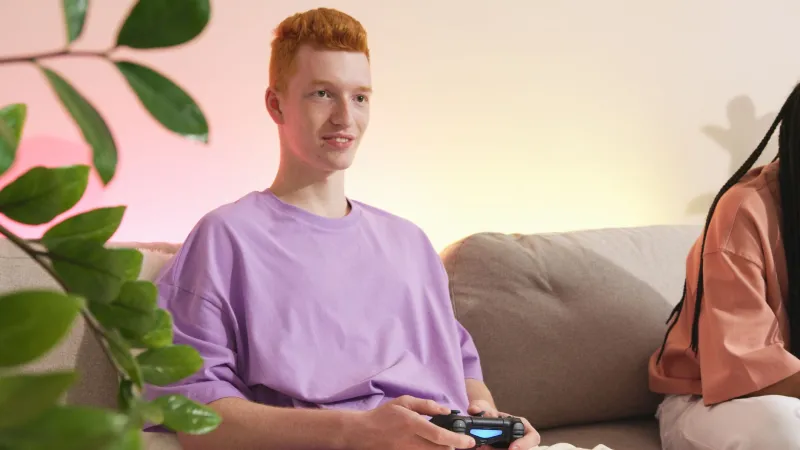
Picture this: It's a Friday night, you've got snacks, your setup is looking clean, and you hop into a lobby with 99 other real human beings. Sounds like the opposite of lonely, right? Except somewhere between the third toxic voice chat message and your fifth random teammate rage-quitting mid-match, something quietly terrible happens — you feel more alone than you ever do when you're grinding a solo RPG at midnight with just your character and a dramatic orchestral soundtrack for company.
Welcome to the Loneliness Glitch. It doesn't show up in patch notes, no developer has patched it out, and honestly? It might be one of the most underrated problems in gaming culture right now.
The Numbers Lie to Your Brain
Here's the weird psychological trick that multiplayer games accidentally pull on you. When you see a player count — 50,000 concurrent players, a full 64-person server, a battle royale lobby maxed out and ready to drop — your brain gets a little jolt of excitement. People! Community! Vibes! But what your brain doesn't immediately process is that most of those people are functionally strangers who have zero interest in actually connecting with you.
Psychologists call this the "social snacking" problem. You get the surface-level sensation of being around others without any of the actual nutritional value of real connection. It's like eating an entire bag of chips and somehow being hungrier afterward. Your brain wanted a meal, got a crinkle-cut illusion, and now it's confused and kind of sad.
Solo games, weirdly, don't trigger this same disappointment. When you boot up a single-player adventure, your brain isn't expecting community. It's expecting a story, a challenge, a world to lose yourself in. And when it gets exactly that? Satisfaction. No social expectations, no letdown.
Toxic Matchmaking Is Ruining the Vibe (And You Already Knew That)
Let's be honest about something that gaming culture sometimes glosses over: a significant chunk of online multiplayer spaces are genuinely hostile environments. Not all the time, not with every player — but enough that the threat of it changes how you show up.
Jordan, a 16-year-old from Ohio who plays competitive shooters, described it perfectly: "I'll join a match and literally say nothing the whole time because I already know someone's going to say something weird or mean if I talk. So I just play in silence with four 'teammates' who might as well be bots."
That silence is the Loneliness Glitch in action. You're in a multiplayer game. You're technically playing with people. But the emotional experience is isolation with extra steps — and extra anxiety stacked on top, because now you're also braced for someone to be awful.
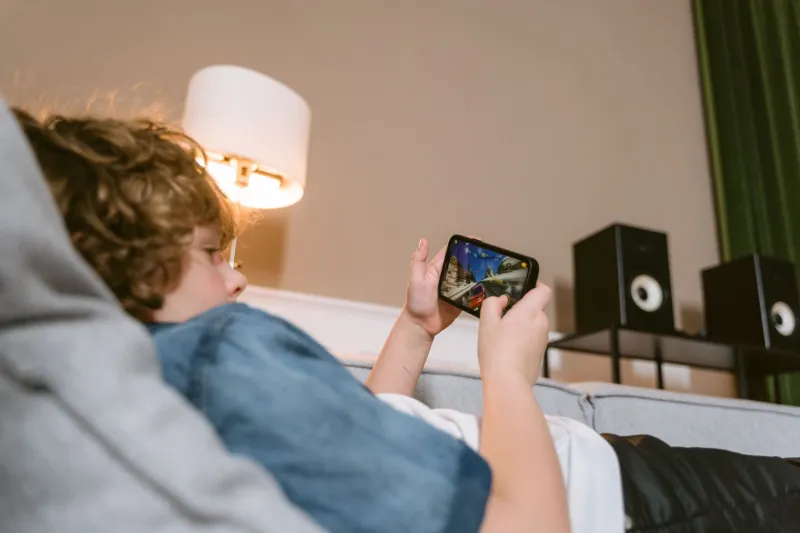
Compare that to sinking into Hollow Knight or Stardew Valley or literally any solo experience. Nobody's going to trash-talk you. The game isn't going to randomly assign you a partner who makes you feel bad for existing. The loneliness in a solo game is clean and chosen. The loneliness in a bad multiplayer lobby? That one stings.
The Communication Gap Nobody Talks About
Multiplayer games have a communication problem that goes deeper than just toxic players. Most online gaming spaces are actually terrible at facilitating real conversation. Think about it — voice chat in a random lobby is either chaotic noise or total silence. Text chat moves too fast to be meaningful. Emotes and pings are functional but emotionally hollow.
The tools designed to help players connect are mostly built for coordination, not connection. "Push left" is not the same as "hey, how's your week going." And when every interaction is purely transactional — use this player to win, discard them after the match — it's hard to feel like any of it actually mattered.
Alex, 17, from Texas, put it bluntly: "After a match, everyone just leaves. It's like hanging out with people at a party where nobody knows each other and then the lights come on and everyone disperses. Every single time."
Meanwhile, a solo gamer finishing a long campaign gets an ending. A resolution. A sense that the time they spent meant something. The emotional payoff is baked into the design. Multiplayer games often don't offer that closure — just a lobby screen and a prompt to queue again.
Why Teens Are Quietly Drifting Back to Solo Saves
There's been a quiet but real shift happening in how a lot of teens are spending their gaming time. Industry chatter loves to talk about the dominance of live-service multiplayer titles, but the actual numbers tell a more interesting story. Games like Baldur's Gate 3, Celeste, Hades, and Elden Ring — all primarily solo experiences — have become genuine cultural touchstones for Gen Z gamers in a way that many massive multiplayer titles haven't.
Part of this is about control. In a solo game, you set the pace. Nobody's rushing you, flaming you, or making you feel like a burden on the team. You get to be bad at the game privately, improve on your own timeline, and experience the story without anyone else's chaos interfering.
But a bigger part of it might just be emotional honesty. A lot of teens are starting to recognize that logging off a multiplayer session feeling worse than when they started isn't just bad luck — it's a pattern. And patterns deserve a response.
The Fix Isn't Quitting Multiplayer — It's Getting Smarter About It
Here's the thing: multiplayer gaming isn't the villain here. Some of the most genuinely connecting experiences in gaming happen when you find the right multiplayer environment. The key is being intentional instead of defaulting to whatever random lobby the matchmaking algorithm drops you into.
Find games with built-in community culture. Titles like Deep Rock Galactic and It Takes Two have developed reputations for unusually wholesome player bases. The game design itself tends to attract a different crowd.
Join small, curated communities instead of massive servers. A Discord with 200 members who all genuinely love the same niche game will almost always feel warmer than a 50,000-person server where you're invisible.
Play with actual humans you know IRL — or want to know. Obvious advice, but genuinely powerful. Even a single friend in the party transforms the emotional experience of multiplayer entirely.
Give yourself permission to go solo when you need it. This sounds small but it's actually huge. Recognizing that choosing a single-player game isn't antisocial or weird — it's just knowing what you need — takes real self-awareness.
Set a vibe check before you queue. If you're already feeling low-energy or emotionally drained, random matchmaking is probably going to make it worse. Solo mode or a small trusted group is the move.
Connection Is the Point — Not Just Company
The Loneliness Glitch exists because gaming culture sometimes conflates presence with connection. Having 99 other people in your lobby is presence. Actually feeling seen, welcomed, and like you're part of something? That's connection. And you can absolutely find it in gaming — but usually not in the places the industry tells you to look first.
Sometimes the most connected you'll feel is just you, a great story, and a game that treats your time like it matters. Don't let anyone make you feel weird about that.