Friend or Stranger? The Secret Rulebook Teen Gamers Follow Without Even Realizing It
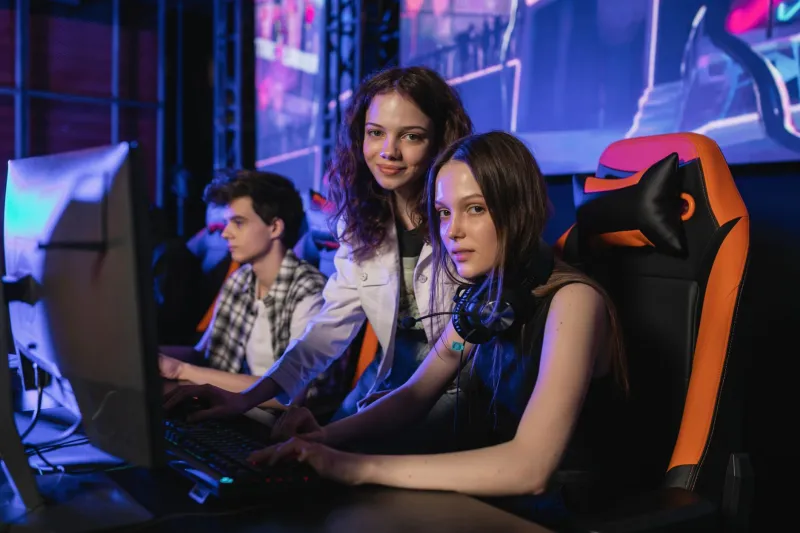
Picture this: You're deep into a Minecraft session with your crew, and your best friend accidentally blows up your entire base with a creeper. Your reaction? Immediate chaos. You grief their house, steal their diamonds, and spend the next forty-five minutes plotting revenge while laughing hysterically on Discord. Now imagine a total stranger does the exact same thing. Suddenly you're calm, understanding, maybe even offering to help them rebuild.
What just happened there? Why did the same event produce two completely different versions of you?
Welcome to one of the most fascinating — and totally unspoken — dynamics in teen gaming culture. There's a whole hidden rulebook at play every time you boot up a multiplayer session, and the rules change dramatically depending on whether you're gaming with your ride-or-die squad or a lobby full of people you've never met. Nobody wrote this rulebook down. Nobody had a meeting about it. And yet somehow, pretty much every teen gamer is following the same unwritten code.
With Friends: Absolutely No Mercy (And That's the Point)
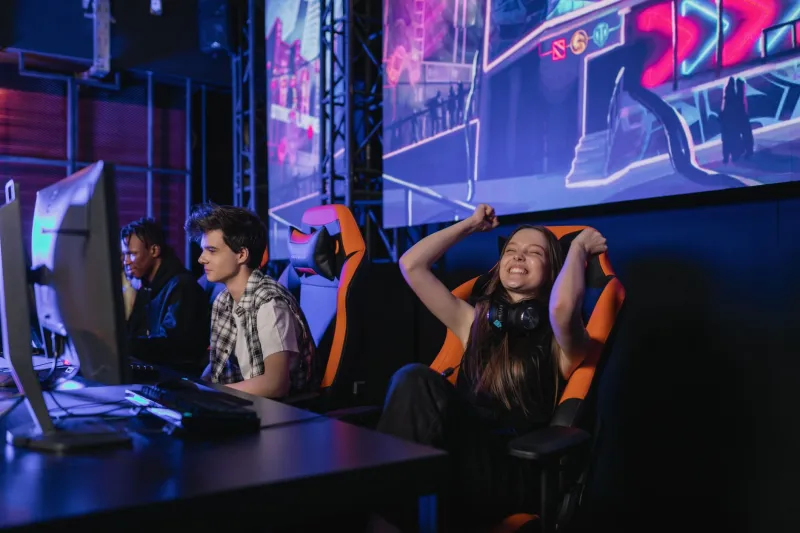
Gaming with your close friends is basically a contact sport with no referee. The gloves come off, the trash talk gets personal, and losing to your best friend in a 1v1 is somehow ten times more devastating than losing to a stranger.
This isn't a bug — it's a feature. When you're gaming with people you genuinely trust, the competitive intensity actually strengthens the bond. You can call out your friend for camping in Call of Duty because they'll laugh it off (after roasting you right back). You can quit a match in frustration, take a five-minute break, and come back without anyone thinking you're toxic. The relationship has enough foundation to absorb the heat.
There's also a whole layer of inside jokes and running gags that only exist within friend groups. The moment someone in your squad pulls off a move that failed spectacularly three weeks ago, everybody remembers. That shared history turns gaming sessions into something closer to a live comedy show where everyone's both the performer and the audience.
The ruthlessness is almost a love language. Destroying your friend's carefully constructed Fortnite build isn't cruelty — it's intimacy. It means you're comfortable enough to go full competitive mode without worrying about the relationship surviving it.
With Strangers: Suddenly You're a Wholesome NPC
Flip the scenario. You hop into a public lobby, and something shifts almost immediately. The energy changes. You become... nicer? More patient? Weirdly willing to explain game mechanics to someone who clearly just downloaded the app?
This is the stranger mode, and it's a completely different social operating system. With people you don't know, the unspoken rules flip hard. Excessive trash talk feels genuinely uncomfortable. Leaving mid-match feels rude in a way it doesn't with friends. And if someone on your team is struggling, there's a much higher chance you'll offer help rather than clown on them.
Part of this is pure self-preservation. You don't know who's on the other side of that screen. They could be a ten-year-old playing for the first time, or they could be someone having a genuinely rough day. Without the context that comes with friendship, most teen gamers default to a softer social setting — not because they're fake, but because the social risk of being wrong is higher.
There's also reputation to consider. In a friend group, your gaming personality is already established. With strangers, you're building a first impression in real time. Nobody wants to be that person in the lobby.
The Psychology Behind the Code-Switch
What's actually happening here has a name in psychology: code-switching. It's the very human tendency to adjust your communication style, behavior, and even personality based on your social context. Teens do it constantly — at school, at home, on social media — and gaming is no different.
What makes the gaming version especially interesting is how fast it happens. The moment you see a friend's username pop up in the lobby versus a random gamertag, something in your brain recalibrates almost instantly. You're not consciously deciding to be nicer or more competitive — the social context just rewires your defaults.
Researchers who study adolescent development point out that this kind of behavioral flexibility is actually a sign of healthy social intelligence. Being able to read a room — or in this case, a lobby — and adjust accordingly is a legitimately useful life skill. The teen who knows when to go full sweat mode and when to dial it back isn't being two-faced. They're being socially aware.
The Gray Zone: Mutuals, Acquaintances, and the Weird Middle Ground
Of course, it's not always a clean binary. What about that person from school you sort of know but aren't really close with? Or the online friend you've been gaming with for months but never met IRL? These in-between relationships create some of the most awkward gaming moments imaginable.
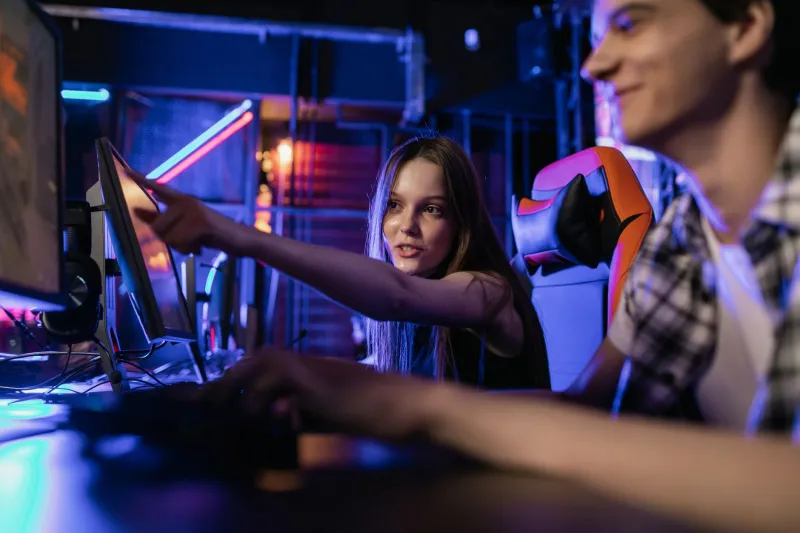
Do you trash talk them the way you would a close friend, or do you hold back like they're a stranger? Do you carry them through a tough mission, or do you expect them to pull their weight? The answer usually depends on a silent negotiation that happens over the first few minutes of gameplay — and whoever makes the first move toward casual trash talk or genuine helpfulness tends to set the tone for the whole session.
This gray zone is also where a lot of online friendships actually form. Someone starts as a random in your lobby, you both survive a chaotic match together, and by the end of it you're already in each other's friend lists. The transition from stranger-mode to friend-mode is one of the most organic things that happens in gaming communities, and it almost always starts with someone breaking the unspoken stranger rules first.
What This Actually Says About You (Hint: It's Good)
Here's the thing nobody really talks about: the fact that you have two different gaming modes is genuinely impressive. It means you're navigating complex social dynamics in real time, managing relationships across different contexts, and building a flexible online identity — all while also trying not to get eliminated in the first round.
The competitive ruthlessness with friends? That's trust. The patience with strangers? That's empathy. And the ability to tell the difference and act accordingly? That's emotional intelligence, whether you'd ever call it that or not.
So next time you catch yourself going full villain mode on your best friend's Minecraft house or patiently helping a random through a raid they're clearly not ready for, just know — you're not being inconsistent. You're just running the most sophisticated social software of your generation, one lobby at a time.
And honestly? That slaps.