Thrift, Hunt, Flex: The Teen Guide to Building a Legendary Gaming Collection on a Broke Budget
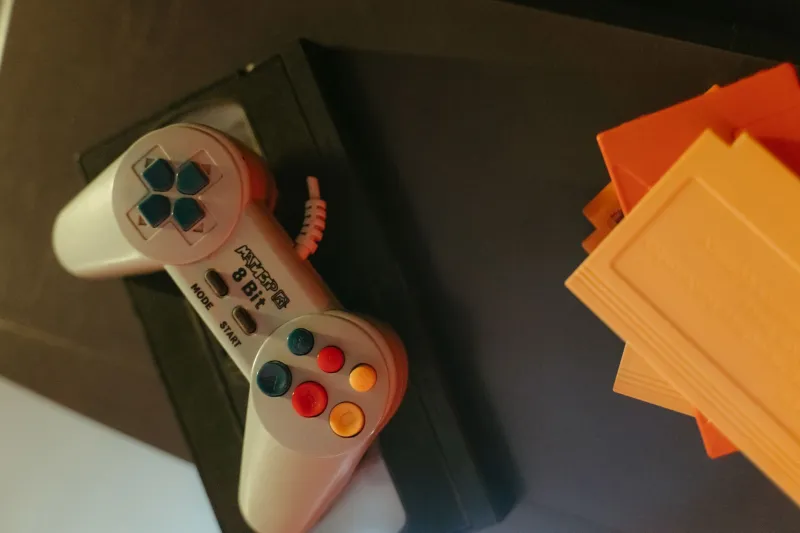
Okay, picture this: You walk into your friend's room and there it is — an entire shelf lined with original Game Boy cartridges, a factory-sealed copy of EarthBound, and a limited edition Pokémon box set still in its shrink wrap. No, your friend didn't rob a museum. They've just been doing what a whole generation of Gen Z gamers is quietly doing right now: building cult classic gaming collections like it's a sport.
And honestly? It kind of is.
While everyone else is grinding battle passes and arguing about which live-service game is dying next, a growing crew of teen collectors is out here treating retro games, limited physical releases, and obscure cartridges the way previous generations treated sneakers or vinyl records. It's a hobby. It's an investment. It's a vibe. And the wildest part? You don't need a trust fund to get in on it.
Why Gaming Collections Are the New Sneaker Wall
Let's be real — status symbols evolve. Your older siblings had Air Jordans. Your parents had vinyl. Gen Z? We've got shelves.
There's something deeply satisfying about owning a physical piece of gaming history in an era where everything is digital, downloadable, and deletable. When a publisher yanks a game from the PlayStation Store or a service shuts down overnight, your digital library can vanish. But that cartridge sitting on your shelf? That's forever.
Collecting also taps into the same psychology as any other hype culture. Rarity creates desire. A limited run of 5,000 physical copies of an indie game suddenly becomes the thing everyone wants once it sells out. Collectors know this, and smart teen collectors are learning to spot those moments before prices spike.
It's not just about money, though — it's about the story behind each piece. That scratched-up copy of Final Fantasy VI from a Goodwill in Ohio? That has character. That has lore. Your downloaded version from a storefront has... a receipt email.
The Thrift Store Gold Rush Is Real
Here's where it gets exciting for anyone working with limited funds: thrift stores across the US are still — somehow — sleeping on retro games. Goodwill, Salvation Army, Savers, local church sales, and estate sales remain some of the best hunting grounds for cartridges, discs, and even complete-in-box sets that people donated without realizing what they had.
The key is consistency. Serious teen collectors will tell you the same thing: visit your local thrift spots on a schedule. Most stores restock by day of the week, and the early bird absolutely gets the Chrono Trigger cartridge.
A few thrift-hunting tips that actually work:
- Go on weekday mornings — that's when staff process donations from the weekend drop-offs.
- Check the electronics section AND the toy aisle — games get misplaced constantly.
- Bring your phone — apps like PriceCharting let you scan barcodes and check current market value on the spot so you never overpay.
- Don't ignore damaged boxes — a game with a beat-up case but a mint cartridge is still a solid find.
People are literally finding original NES games for $2 at thrift stores in smaller towns. The hunt is half the fun.
Online Communities That Are Actually Helping (Not Gatekeeping)
One of the best parts of the gaming collector scene right now is how weirdly welcoming it is — at least in the right corners of the internet. Subreddits like r/gamecollecting and r/retrogaming are packed with people sharing finds, asking for price checks, and genuinely hyping each other up. Nobody's there to flex and leave. They're there because they love the culture.
Facebook Marketplace and OfferUp have also become goldmines for local deals. Searching your city plus terms like "retro games lot" or "old video games" regularly turns up people clearing out storage units or childhood collections who just want the stuff gone. Politely negotiating in person? Totally valid. You can often walk away with a bag of games for less than the cost of a new AAA title.
For rarer finds, eBay is unavoidable — but it requires discipline. Set saved searches, watch listings without bidding immediately, and always check "sold" prices before you decide what something is worth. The listed price is not the real price. The sold price is.
Discord servers dedicated to retro collecting are also popping off. These tight-knit communities share flash sales, warn each other about fakes (yes, counterfeit cartridges are a thing — always buy from reputable sellers), and sometimes organize trades between members.
Collecting for the Vibe vs. Collecting for Value
Here's a conversation the community has constantly, and it's worth having honestly: are you collecting because you love games, or because you think it'll make you money?
The answer can be both — but they require different strategies.
Collecting for the vibe means buying what you love, what looks cool on a shelf, what sparks a memory, or what represents a game you genuinely want to play. This approach is low-pressure, endlessly fun, and makes your collection feel personal rather than clinical. Your shelf tells your story.
Collecting for value means researching market trends, understanding print runs, watching for sealed copies of games with limited physical releases, and being patient. Limited physical runs from publishers like Limited Run Games or Special Reserve Games are specifically designed for this market — they produce a fixed number of copies, they sell out, and then the secondary market takes over.
The smartest teen collectors do a bit of both. They build a core collection of games they actually love, then sprinkle in a few calculated purchases of limited releases they believe will appreciate. It's basically the sneaker resell model, applied to cartridges.
Starting Your Collection Without Losing Your Mind (or Your Wallet)
If you're brand new to this whole scene, the most important thing to remember is: don't try to collect everything at once. That's the fastest way to burn out and go broke simultaneously.
Pick a focus. Maybe it's a single console — like Game Boy Color or original PlayStation. Maybe it's a specific franchise. Maybe it's a genre, like JRPGs or platformers. A focused collection is more impressive and more manageable than a chaotic pile of random stuff.
Set a monthly budget, even if it's small. Fifteen or twenty dollars a month, consistently applied over a year, builds something real. Prioritize condition — a complete-in-box game with the manual is always worth more than a loose cartridge, both in resale value and in pure shelf satisfaction.
And take photos. Document your finds. Post them. The collector community loves a good thrift haul reveal, and honestly, that moment when you show off a $3 Goodwill score that's worth $80? That's the flex energy that makes this whole hobby addictive.
The Shelf Is the Statement
At the end of the day, building a gaming collection is about way more than the games themselves. It's about curation, patience, knowledge, and a genuine love for gaming history. It's about owning something tangible in a world that keeps pushing us toward subscription models and cloud saves.
Your collection is your taste made physical. And in a culture that's obsessed with personal brand, there's nothing more authentically you than a shelf full of games you actually hunted down yourself.
So start small, stay consistent, and never walk past a thrift store without checking the electronics aisle. Your next legendary find is probably sitting there right now, waiting for someone who knows what it's worth.
That someone might as well be you.